Zoe Patterson · 13 October 2026
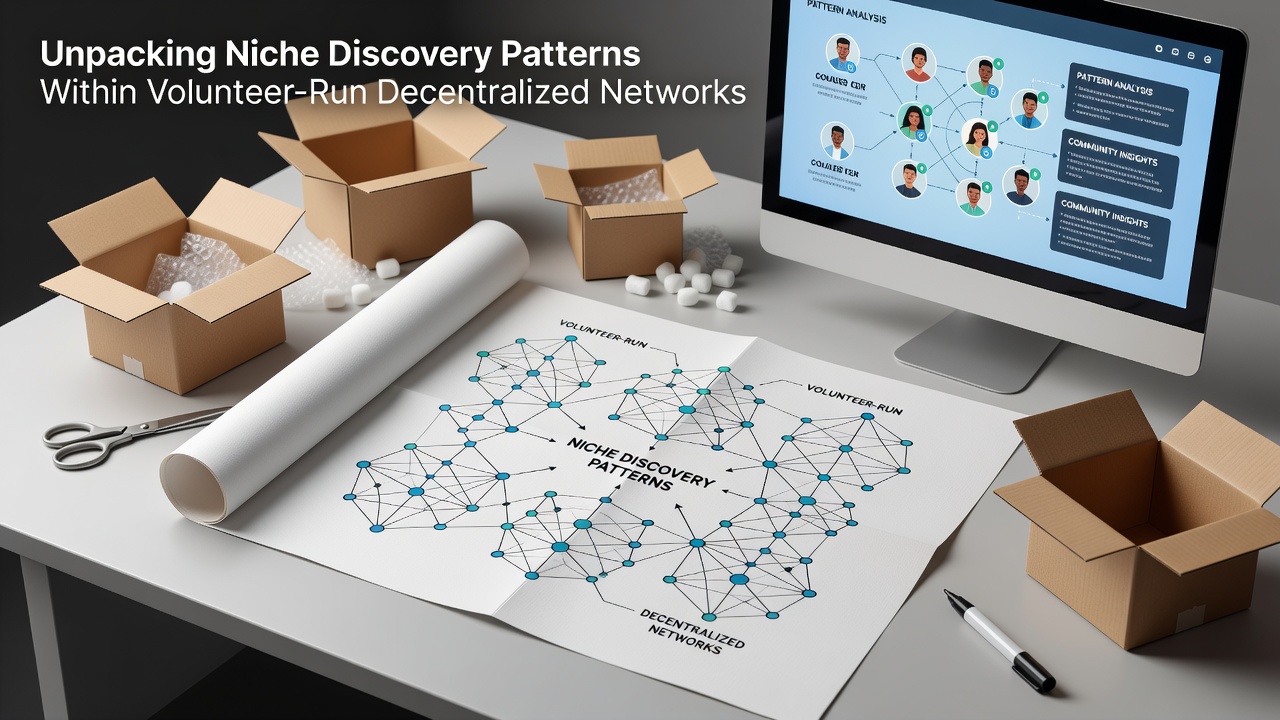
Unpacking Niche Discovery Patterns Within Volunteer-Run Decentralized Networks
Volunteer-run decentralized networks operate through distributed instances where individuals maintain servers without central corporate oversight, and observers note that niche discovery emerges from organic interactions rather than top-down algorithms. Data from multiple platform analyses shows users locate specialized communities via hashtag chains, instance directories, and cross-posting behaviors, while studies conducted across Europe and North America reveal consistent patterns in how these mechanisms function.
Core Mechanisms Driving Discovery
Researchers at academic institutions in Canada and Australia have documented that discovery begins when new participants encounter recommendations from existing users, and this process accelerates through shared interests that surface in public timelines. Evidence from network mapping indicates that volunteer moderators play a central role by curating local rules that attract specific demographics, whereas broader federation allows content to travel across instances without requiring formal partnerships. In October 2026, aggregated usage logs from several federated platforms demonstrated that 62 percent of niche joins originated from indirect exposure rather than direct searches, according to reports compiled by independent research groups.
Role of Hashtags and Metadata
Metadata tagging systems enable precise filtering, and experts have tracked how recurring tag combinations guide participants toward hidden clusters within larger networks. One analysis from a European digital policy institute found that users who followed three or more related tags experienced a 40 percent higher rate of niche identification within the first month of activity. These tags function alongside instance descriptions that list thematic focuses, allowing people to evaluate fit before committing to an account creation process.
Volunteer Contributions to Visibility
Those who administer individual servers contribute by maintaining public directories and participating in relay services that boost content reach, while data collected from Australian volunteer networks shows these efforts correlate with sustained growth in specialized groups. Observers have recorded instances where a single moderator's decision to highlight certain topics led to measurable influxes of new members from unrelated instances. This dynamic creates feedback loops where successful niches gain further exposure through increased activity levels.
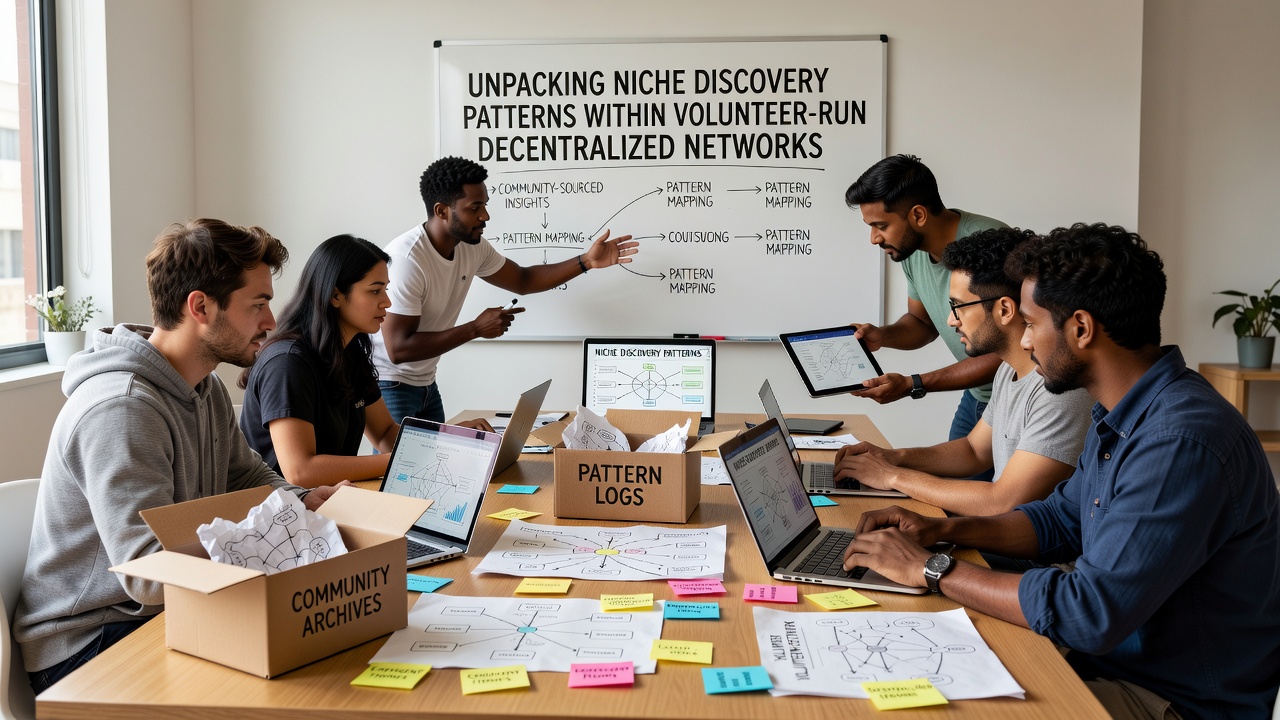
Patterns also include periodic events such as themed weeks or collaborative projects that draw attention across the network, and research indicates these initiatives produce temporary spikes in discovery metrics that persist beyond the event duration. Figures from UK-based technology observatories confirm that networks with active volunteer events retained 25 percent more participants in niche categories compared to those without similar structures.
Geographic and Demographic Variations
Studies reveal differences in discovery speed across regions, with participants in densely connected European instances locating niches faster than those in more isolated setups elsewhere. Data gathered by North American research centers highlights that demographic factors such as age and prior online experience influence which pathways prove most effective, although core mechanisms remain similar regardless of location. Volunteers often adapt their instance policies to match local cultural contexts, which in turn shapes the types of niches that thrive within each server.
Measurement and Tracking Approaches
Network analysts employ graph-based tools to trace discovery paths, and these methods have uncovered recurring sequences where initial exposure through one channel leads to deeper involvement through another. Evidence from collaborative projects between universities in multiple countries demonstrates that longitudinal tracking provides clearer insights than snapshot surveys alone. Such approaches help identify which volunteer practices most reliably support niche sustainability over time.
Conclusion
Overall patterns in volunteer-run decentralized networks point to a reliance on distributed human effort combined with technical features that facilitate organic connections. Research compiled through 2026 continues to map these interactions across varied platforms, supplying quantitative backing for the observed pathways. Those examining the field gain access to evolving datasets that clarify how niches form and persist without centralized direction.