Avery Becker · 15 September 2026
Navigating Data Sovereignty Challenges for Independent Online Communities
Data sovereignty refers to the principle that digital information remains subject to the laws and governance structures of the jurisdiction where it is collected, processed, or stored, and independent online communities encounter these rules when they host forums, share resources, or manage member data across borders. Researchers at multiple institutions have documented how small collectives must reconcile conflicting requirements from different nations without the legal teams available to larger platforms, which creates ongoing compliance demands that shift as regulations evolve. Observers note that many communities rely on cloud providers whose data centers sit in specific countries, meaning user posts or membership lists can fall under unexpected legal oversight even when the community itself operates from another region.
Core Legal Frameworks Shaping Data Handling
The European Union's General Data Protection Regulation establishes strict consent and portability rules that apply whenever EU residents participate in an online group, while similar measures in other regions impose data localization mandates requiring certain records to remain inside national borders. Canada's Personal Information Protection and Electronic Documents Act outlines accountability standards for organizations handling Canadian data, and Australia's Privacy Act requires entities to manage personal information according to defined Australian Privacy Principles regardless of where servers physically reside. Studies from academic centers indicate that communities operating discussion boards or collaborative wikis must map these overlapping obligations to avoid inadvertent violations when members join from multiple jurisdictions at once.
Technical and Operational Pressures on Smaller Groups
Independent communities frequently use shared hosting or global content delivery networks whose infrastructure spans several countries, which means a single post can trigger multiple sovereignty claims simultaneously. Data from industry reports shows that encryption choices and backup locations often determine which nation's courts can demand access, and many volunteer-run sites lack the resources to implement region-specific storage tiers. Those who've examined server logs across various projects find that even basic features like analytics plugins can route information through jurisdictions with broad surveillance statutes, creating exposure that larger organizations mitigate through dedicated compliance staff. Communities have responded by auditing their provider contracts and selecting vendors that offer explicit data residency controls, yet such options typically raise operating costs and require technical expertise that remains unevenly distributed.
Real-World Examples from 2025-2026
One collective managing an open-source documentation platform encountered requests from authorities in two separate countries for access logs tied to the same user account, forcing administrators to evaluate which legal order took precedence while maintaining service continuity. Another group running regional hobbyist forums adjusted its database architecture ahead of new localization rules that took effect in parts of Asia during late 2025, and observers documented how these adjustments involved splitting user tables across multiple providers to satisfy differing national requirements. In September 2026, several international digital rights conferences are scheduled to address emerging cross-border data access treaties, with participants expected to review case studies from independent communities that navigated enforcement actions without dedicated legal support.
Strategies Communities Have Adopted
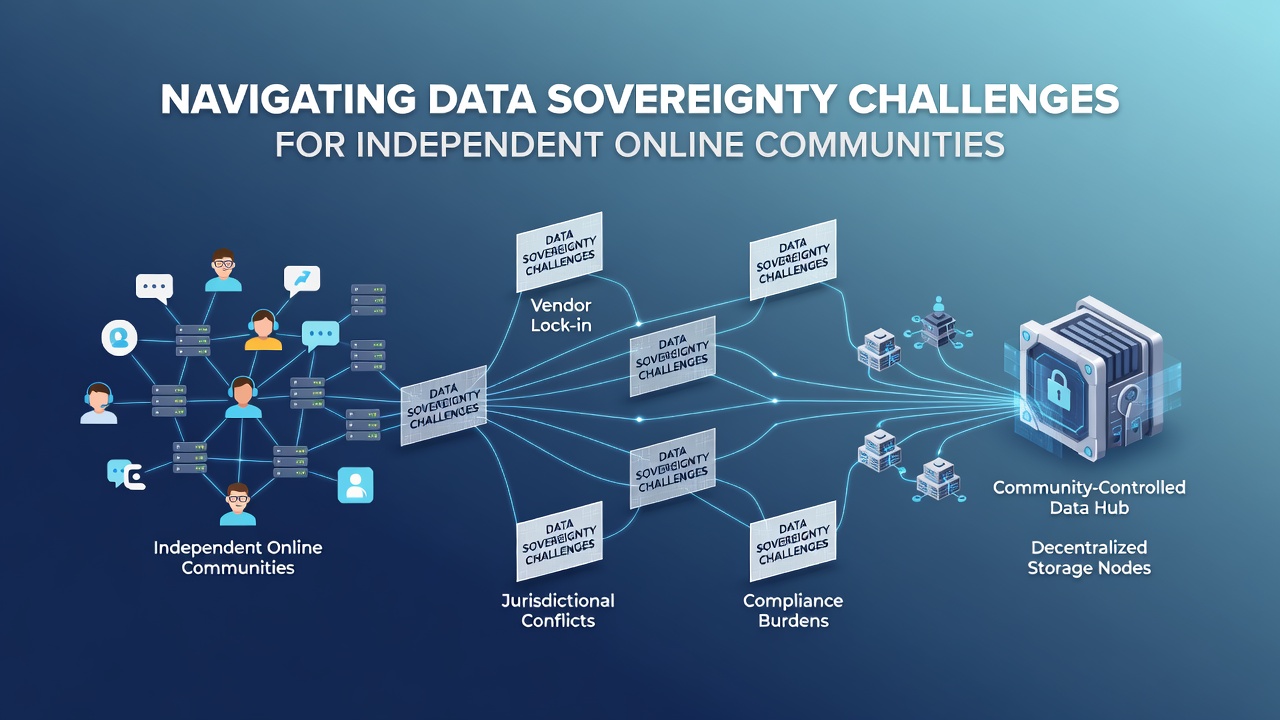
Groups that maintain detailed data flow maps can identify which member activities cross regulatory boundaries and adjust features accordingly, such as disabling certain analytics for users in high-scrutiny jurisdictions. Experts have observed that adopting end-to-end encryption for private messages reduces the amount of readable data available to intermediaries, although metadata like connection timestamps may still fall under local retention laws. Many collectives now publish transparent policies that explain data handling practices in plain language, which helps members make informed choices about participation while also demonstrating good-faith efforts to regulators. Research indicates that partnerships with regional hosting providers in key markets allow communities to keep sensitive records closer to users, and these arrangements often include contractual clauses that limit data transfers outside approved zones. Yet such measures demand ongoing monitoring because regulations continue to change, and communities without dedicated staff must rely on volunteer knowledge or external consultants to stay current.
Looking Ahead to Policy Shifts
International bodies have begun discussing harmonized standards that could ease some conflicts, although progress remains slow and uneven across regions. Data from regulatory filings reveals that enforcement actions against smaller operators have increased in frequency, which prompts communities to prioritize record-keeping practices that satisfy the strictest applicable rules. Those tracking developments note that upcoming treaty negotiations scheduled around September 2026 may clarify mutual legal assistance procedures, potentially reducing the number of conflicting demands placed on volunteer administrators. Independent communities that invest early in modular data architectures find they can adapt more quickly when new localization requirements appear, and this flexibility has become a practical necessity rather than an optional enhancement.
Conclusion
Independent online communities continue to balance member expectations for open participation against the expanding web of national data rules that govern where information can reside and who may access it. By mapping their technical setups against current legal frameworks from multiple regions, these groups identify concrete steps that reduce exposure while preserving core functions. Ongoing developments through 2026 will likely introduce further adjustments, and communities that maintain clear documentation and flexible infrastructure remain better positioned to respond without disrupting their operations.